Glaucoma care · San Antonio
Fellowship-trained glaucoma specialist in San Antonio
Glaucoma damages the optic nerve slowly and without pain. Finding it early and keeping eye pressure in a safe range is what protects your sight.
Most people with glaucoma notice nothing until vision is already lost, and that loss can't be restored. That is why the right diagnosis and a long-term plan matter so much.
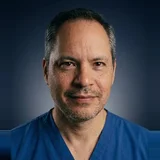
Dr. J.T. Kavanagh is a board-certified ophthalmologist with fellowship training in glaucoma, which means an additional year of training focused only on glaucoma after residency. He is clinical faculty in the Department of Ophthalmology at UT Health San Antonio and takes part in FDA clinical trials of new glaucoma treatments.
Who should see a glaucoma specialist
- You've been told you have glaucoma, or are a "glaucoma suspect"
- Your eye pressure is high, or your optic nerve looks suspicious on an exam
- Your drops aren't controlling pressure, or cause side effects
- You have trouble remembering or putting in drops
- You have a parent or sibling with glaucoma
- You're having cataract surgery and also have glaucoma
How we test for glaucoma
A glaucoma evaluation goes beyond a pressure check. It usually includes measuring eye pressure and corneal thickness, examining the drainage angle (gonioscopy), imaging the optic nerve with OCT, and testing your side vision with a visual field test. Together these show whether glaucoma is present and whether it's getting worse over time.
Treatment options
Glaucoma and cataract surgery together
Many glaucoma patients also have cataracts. Combining cataract surgery with MIGS treats both in one operation, and can lower eye pressure and reduce the number of drops you need. Read more in What is MIGS?
Offices
Dr. Kavanagh sees glaucoma patients at the San Antonio Medical Center (Wurzbach Rd), North Central (Classen Rd) and South (Palo Alto Rd) offices, plus New Braunfels, Seguin and San Marcos.
Call 830-379-3937 to schedule a glaucoma evaluation.
Common questions
Can glaucoma be cured?
No, but it can almost always be controlled. Treatment aims to stop further damage.
Does glaucoma cause symptoms?
The most common type causes none until late. That's why regular exams matter, especially after 40.
Will I need drops forever?
Not always. Laser and MIGS reduce or eliminate drops for many patients.
For educational purposes. This page explains common conditions and treatments to help you prepare for your visit. Your exam determines the right plan for your eyes.