Retina care · San Antonio
Retina injections in San Antonio: Eylea, Avastin and more
Some of the most common causes of vision loss in older adults and people with diabetes are now treatable with a small injection in the eye.
These medicines stop abnormal blood vessels from leaking and growing, which protects central vision and in many cases improves it.
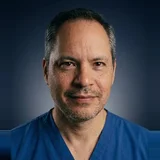
Dr. J.T. Kavanagh provides retina injections and retinal laser treatment close to home, so you don't have to travel across town for every visit.
Conditions we treat with injections
The medicines
- Avastin (bevacizumab): widely used and effective, used off-label in the eye.
- Eylea (aflibercept) and Eylea HD: FDA-approved for wet macular degeneration and diabetic eye disease. Eylea HD is a higher dose that can allow longer gaps between injections.
- Lucentis (ranibizumab): FDA-approved for wet macular degeneration, diabetic eye disease and retinal vein occlusion.
- Other FDA-approved injectables: Dr. Kavanagh offers virtually all current retina injections, so your treatment can be matched to your eye and your insurance.
The right medicine depends on your condition, how your eye responds and your insurance. Dr. Kavanagh will go over the options with you.
What to expect
The injection itself takes only seconds. Your eye is numbed with drops, cleaned with an antiseptic, and held open gently. Most patients feel pressure but little or no pain. Your vision may be blurry and the eye a little scratchy for the rest of the day.
Treatment usually starts with injections about every 4 weeks. Once the retina is dry, many patients can stretch the time between injections. Regular OCT scans of the retina guide each decision.
Retina injections vs. retina surgery
Dr. Kavanagh treats retinal disease with injections and laser. If you need retinal surgery, such as for a retinal detachment, he will refer you to a trusted retina surgeon and coordinate your care.
Offices
Retina injections are available at every office: San Antonio Medical Center (Wurzbach Rd), North Central (Classen Rd), South (Palo Alto Rd), New Braunfels, Seguin and San Marcos. For dry macular degeneration, see Valeda light therapy. People with diabetes can read how often you need a diabetic eye exam.
Call 830-379-3937 to schedule.
Common questions
Do eye injections hurt?
Most patients are surprised by how little they feel. Numbing drops make it quick and comfortable.
How many injections will I need?
Most conditions need ongoing treatment. The goal is the fewest injections that keep the retina dry.
Can I drive afterward?
Many patients do, but bring a driver to your first visit, since dilation can blur vision.
For educational purposes. This page explains common conditions and treatments to help you prepare for your visit. Your exam determines the right plan for your eyes.